
How to Make the Silkiest Creamy Potato Purée
A truly great potato purée should be smooth, silky and rich — never gluey, heavy or watery. It may look like one of the simplest things to make, but a few small details can completely change the final texture. The secret isn't complicated. Choose the right potatoes, keep them dry, and never overwork them.
By Siso · · 4 min read
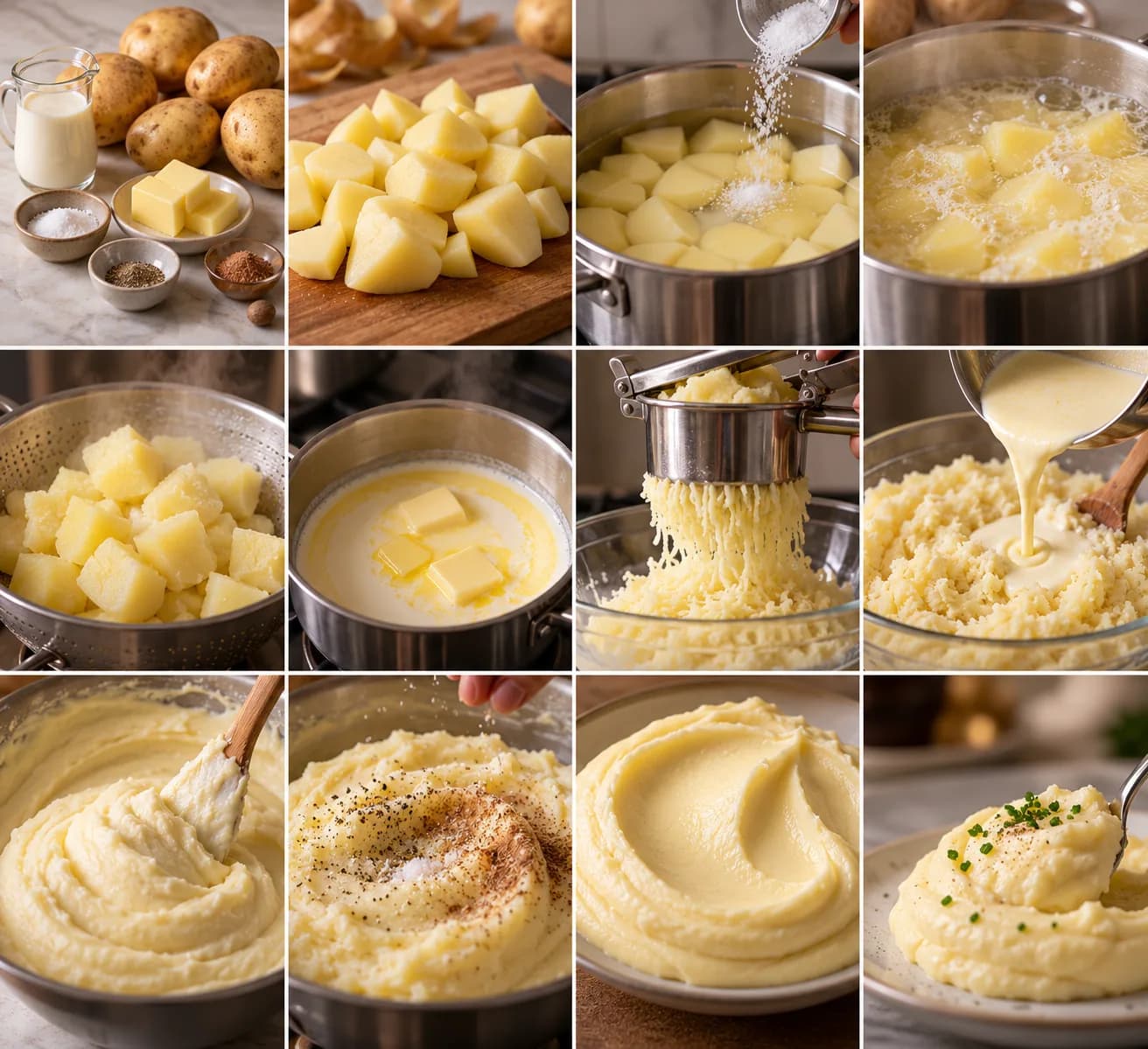
Ingredients
Serves 2–3
- 500 g floury potatoes
- 80 g unsalted butter
- 120–150 ml heavy cream
- Salt, to taste
- White pepper, to taste
- A small pinch of freshly grated nutmeg, optional
Method
1. Choose the Right Potatoes
For a smooth and creamy purée, choose floury or starchy potatoes.
They contain more starch and break down easily during cooking, giving you that light, fluffy texture that is perfect for purée.
Avoid waxy potatoes if your goal is an ultra-smooth result. They tend to hold their shape and can give the purée a heavier texture.
2. Start with Cold, Salted Water
Peel the potatoes and cut them into evenly sized pieces.
Place them in a pot and cover with cold, generously salted water.
Starting with cold water allows the potatoes to cook evenly from the inside out.
Bring the water to a gentle simmer and cook until the potatoes are completely tender.
You should be able to slide a knife through them without resistance.
3. Let the Potatoes Steam Dry
This small step makes a surprisingly big difference.
Drain the potatoes thoroughly and return them to the warm, empty pot for 1–2 minutes.
Letting them steam dry removes excess surface moisture.
At the same time, gently warm the cream and butter together in a separate saucepan.
Keep the mixture warm, but don't let it boil.
4. Pass the Potatoes While They're Hot
For the smoothest texture, pass the hot potatoes through a potato ricer or fine-mesh sieve.
This breaks them down without aggressively working the starch.
If you don't have a potato ricer, a traditional potato masher will work — just be careful not to overwork the potatoes.
5. Add the Butter and Cream
Gradually fold the warm butter and cream mixture into the potatoes.
Add it little by little rather than all at once, gently mixing until you reach the texture you want.
The purée should become smooth, glossy and creamy, but still hold its shape on the plate.
Season with salt, white pepper and a tiny pinch of nutmeg if you like.
The Most Important Secret: Don't Blend the Potatoes
This is one of the biggest mistakes people make.
Never use a food processor, blender or immersion blender to make potato purée.
Potatoes contain starch cells that can easily rupture when subjected to aggressive mixing.
Once too much starch is released, the purée can quickly become sticky, elastic and gluey.
A potato ricer or fine sieve gives you a much more delicate texture with far less effort.
For an Extra-Silky Finish
If you're looking for a restaurant-style result, pass the finished purée through a fine-mesh sieve one more time.
It takes a little extra effort, but the difference is remarkable.
You'll end up with a beautifully smooth, almost satin-like purée that spreads effortlessly across the plate.
A Few Chef's Tips
Keep everything warm. Warm butter and cream incorporate more easily and keep the purée light.
Don't add cold cream. Cold dairy can cool the potatoes down and make it harder to achieve a smooth emulsion.
Add the liquid gradually. You can always add more, but you can't easily take it away.
Season in layers. Potatoes absorb salt, so taste as you go rather than adding all the seasoning at once.
Serve immediately. Potato purée is at its best when it's freshly made and still warm.
The Perfect Potato Purée
The best potato purée doesn't need complicated ingredients.
It comes down to technique:
Good potatoes. Gentle cooking. Dry potatoes. Warm butter and cream. And, most importantly, no blender.
Once you understand these simple principles, you can make a silky, restaurant-quality potato purée at home every time.
Keep reading
More from the blog

Breakfast Around The World
One morning. Five cultures.
- 3 min read
 kitchen secrets
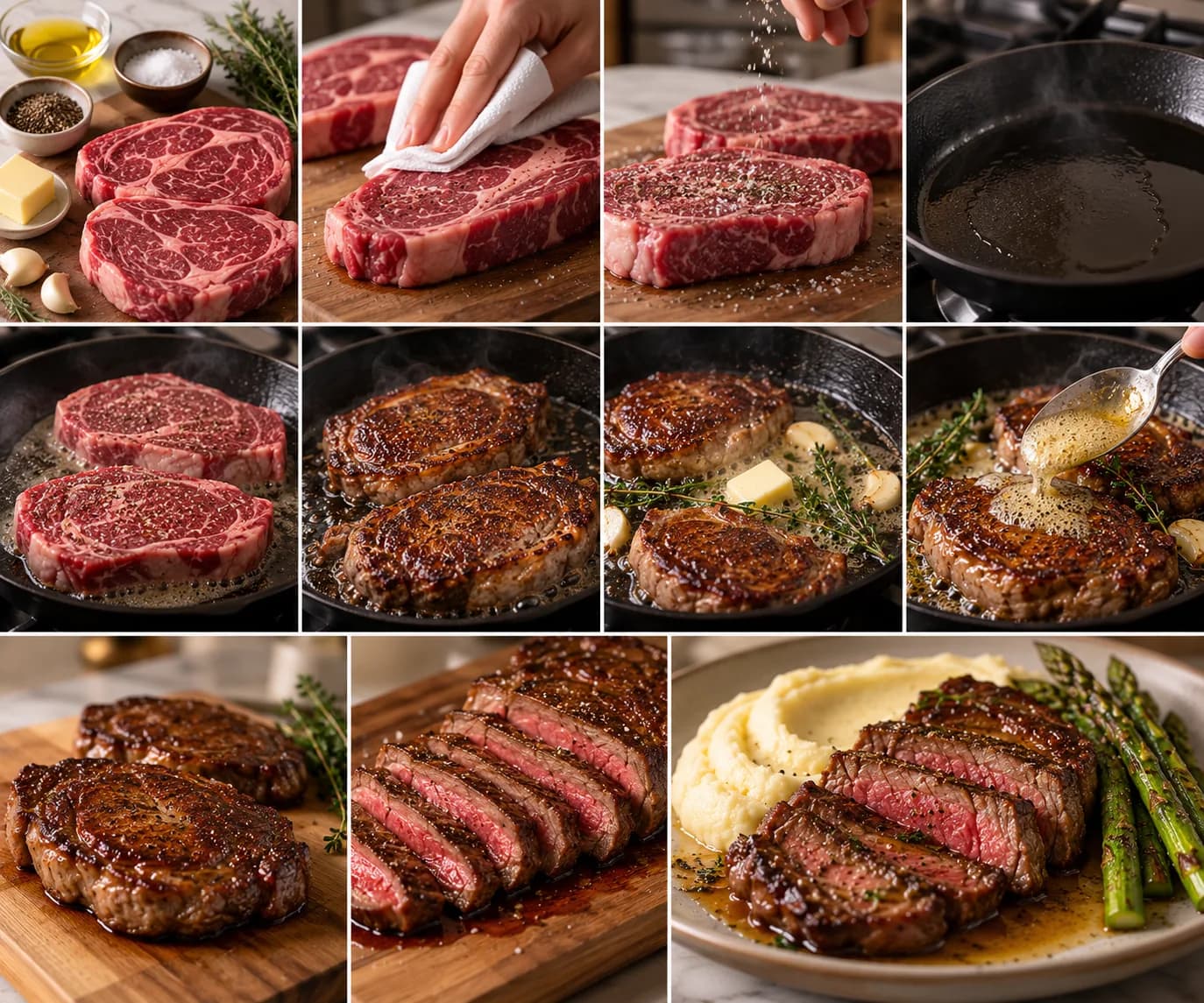
How to Cook the Perfect Ribeye Steak at Home
A perfectly cooked ribeye doesn't need complicated ingredients. What it does need is a good piece of meat, a very hot pan, proper seasoning, and a little patience. The goal is simple: a deeply browned, flavorful crust on the outside, a juicy and tender center, and that unmistakable richness that makes ribeye such a special cut. Here are the techniques that make the difference
- 4 min read
 kitchen secrets
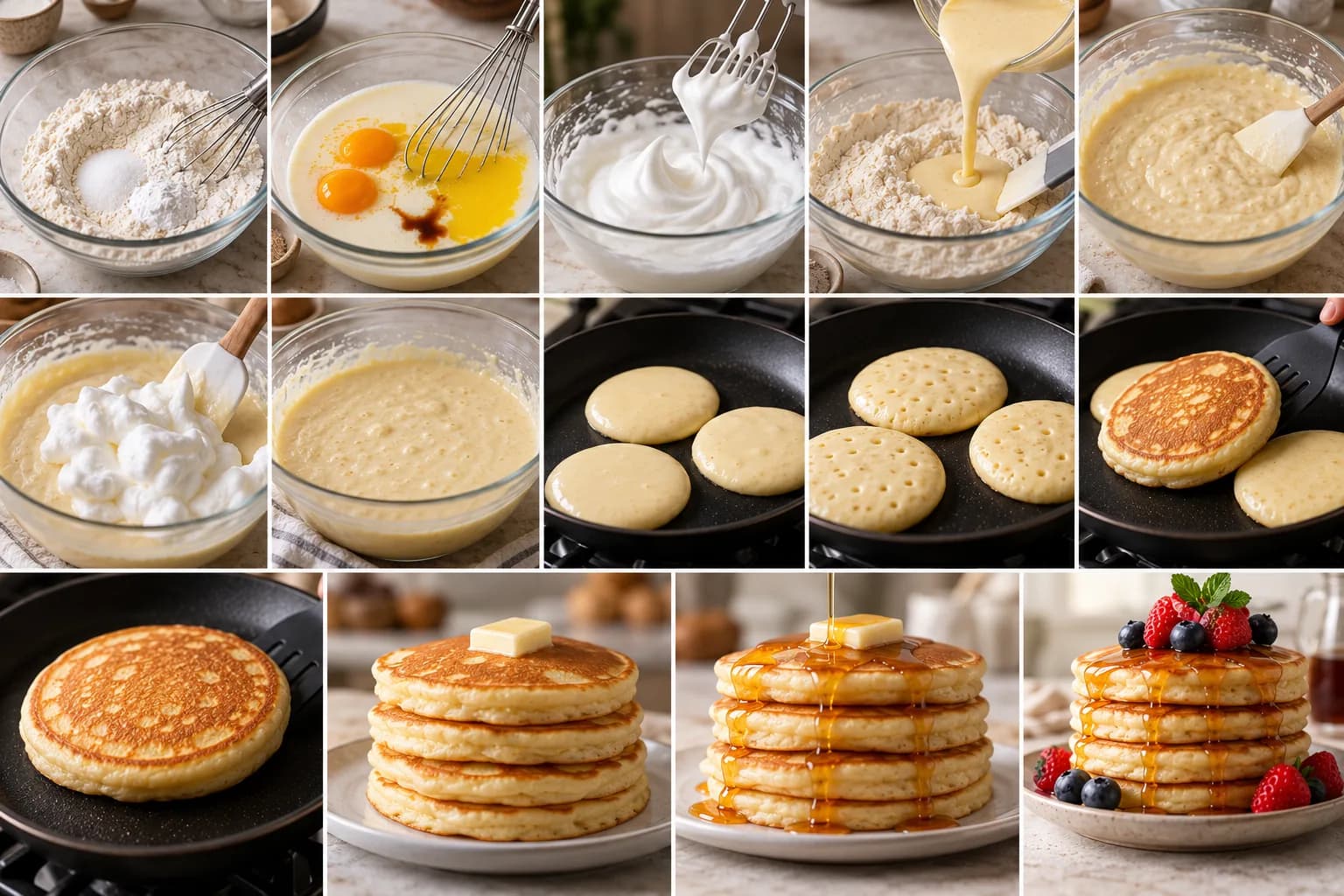
Why Are My Pancakes Not Fluffy? 4 Secrets for Perfect Pancakes !
There is something incredibly satisfying about a stack of tall, golden pancakes — soft and fluffy in the center, lightly crisp around the edges, and ready to soak up a little butter and maple syrup. But getting that perfect, cloud-like texture isn't just about following a recipe. There are a few small techniques that make a big difference.
- 3 min read